Encouraging Older Adults to Prioritize Physical Activity Through Evidence-Based Training Recommendations
Wiki Article
Keeping energetic is crucial for people of every age group, but it becomes especially significant as persons grow older. For seniors, regular movement supports maintaining independence, improves movement, and improves general health. Comprehensive training frameworks deliver seniors with structured methods to fitness that cover stability, flexibility, power, and endurance. By adhering to well-designed fitness programs, elders can enhance their well-being while reducing the likelihood of falls, health conditions, and emotional difficulties.
Staying fit for aging individuals is not confined to strenuous training sessions or intense exercise regimens. It focuses instead on low-impact, gradual, and ongoing movement that suits personal fitness conditions. Routines such as brisk walking, stretching, chair yoga, and bodyweight exercises aid in maintaining limberness and muscle tone. Aerobic workouts like aqua aerobics or stationary cycling boost heart health, which are key for maintaining stamina and performance. These types of exercise also enhance cognitive wellness, as findings have demonstrated that regular exercise can boost mental clarity, emotional well-being, and cognitive function.
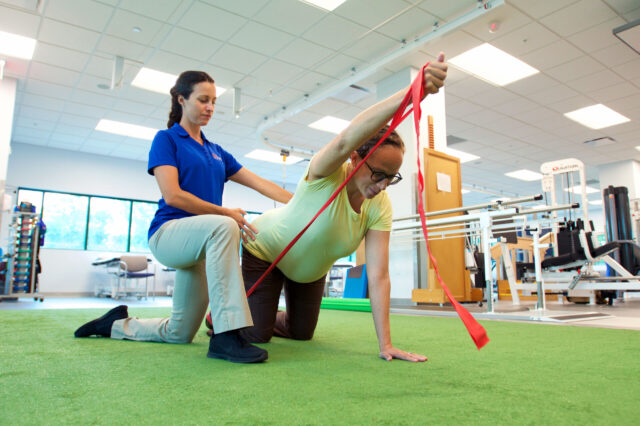
Comprehensive fitness recommendations emphasize a balanced method to fitness, addressing bodily, psychological, and community factors of health. Older adults are guided to ease in and progress at a manageable speed, guaranteeing safety while reducing strain. Incorporating pre- and post-exercise stretches minimizes muscle soreness, while proper fluid intake and meal balance complement training outcomes. Additionally, community-based programs—such as community walking clubs or community walking go to website programs—provide chances for peer support, engagement, and emotional support, which are equally important to total wellness.
Qualified instruction plays a important role in helping aging individuals design customized training schedules. Seeking advice from healthcare providers, rehabilitation specialists, or qualified instructors verifies that routines are aligned to individual health conditions, fitness levels, and targets. These professionals can suggest effective exercise formats that address elements such as mobility concerns, skeletal weakness, or heart health concerns. Through consistent evaluation and refinement, training programs continue to be effective and enjoyable, supporting long-term participation and achievement.
In conclusion, enabling elders to participate in wellness through structured fitness frameworks fosters a mindset of active aging. When seniors are provided with information, inspiration, and guidance, they build trust in their mobility and experience greater autonomy. Sustained fitness enhances not only physical strength but also mental clarity and emotional resilience. By promoting inclusive, expert-led training systems, organizations can help that every news senior has the opportunity to live a healthy, active, and meaningful lifestyle.